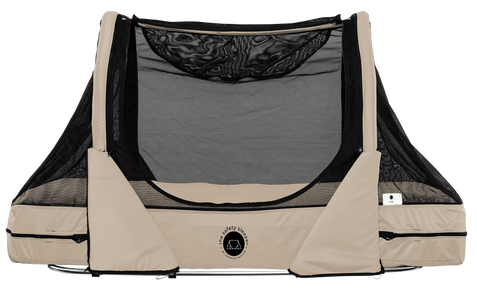
Sensory-Friendly Bed Enclosures for Children on the Autism Spectrum
Sensory-Friendly Bed Enclosures for Children on the Autism Spectrum
For children on the autism spectrum, navigating sensory input is a full-time job. Throughout the day, bright lights, loud sounds, and unexpected textures can trigger sensory overload. When bedtime arrives, a child’s sensory system does not simply turn off when the lights go down. In fact, an open bedroom full of flickering shadows, ambient noises, and drafty air can heighten anxiety, making sleep feel nearly impossible.
When traditional bedtime routines, weighted blankets, or white noise machines aren't enough, a sensory-friendly bed enclosure offers a specialized, structural solution.
By creating a cozy, predictable, and sensory-neutral sanctuary, a bed enclosure helps calm an overstimulated nervous system – allowing children with autism and sensory processing differences to relax and fall into deep, restorative sleep.
The Connection Between Sensory Processing Disorder (SPD) and Sleep
Up to 80% of children with Autism Spectrum Disorder (ASD) also experience sensory processing differences. For these children, processing environmental information through the senses works differently:
- Hyposensitivity (Seeking Input): Children may seek intense physical sensations, leading to body-rocking, bouncing, or head-banging against bed frames to feel grounded.
- Hypersensitivity (Avoiding Input): Children are overwhelmed by subtle stimuli, such as shadows on the wall, the hum of an air conditioner, or the feeling of open space around them.
An open, standard bed provides no boundaries to filter out nighttime sensory clutter. Without physical or visual boundaries, the brain can stay hyper-alert. A bed enclosure acts as a gentle buffer between the child and the bedroom's unpredictable environment.
4 Ways a Bed Enclosure Supports Sensory Regulation
A sensory-friendly bed enclosure is more than just a protective boundary; it is a therapeutic tool designed to support self-regulation and deep pressure input.
| SENSORY BENEFITS OF A BED ENCLOSURE | |
|---|---|
| Visual Dampening | Filters out shadows and distractions |
| Proprioceptive Input | Provides cozy, "cocoon" boundaries |
| Tactile Safety | Smooth, seamless interior fabrics |
| Predictable Sanctuary | Creates a dedicated calm-down zone |
1. Reduces Visual Stimuli and Shadow Overload
Even in a dim room, visual distractions are everywhere. Streetlights through the window, LED lights on electronics, and shadows cast across the ceiling can trigger fear or intense curiosity in an autistic child. The enclosed walls of a fabric or mesh bed enclosure create a uniform visual field, eliminating surrounding distractions so the mind can wind down.
2. Delivers Proprioceptive Input and the "Cocoon Effect"
Proprioception is our body's ability to sense its location, movement, and action in space. Many individuals on the spectrum thrive on deep pressure therapy – the same comforting sensation provided by weighted blankets or tight hugs. A bed enclosure creates a cozy, enclosed "nest" or "cocoon" that gives children a clear physical sense of where their body begins and ends, lowers cortisol levels, and promotes relaxation.
3. Provides a Tactile-Safe Sleeping Surface
Skin sensitivity is common in children with autism. Rough zippers, exposed seams, or scratchy fabrics can cause physical distress. High-quality sensory bed enclosures feature smooth, medical-grade interior fabrics, covered internal padding, and zipper enclosures positioned on the outside so there are zero rough edges inside the sleep space.
4. Creates a Predictable, Dedicated Space for Sleep
Children with autism thrive on predictability. An enclosed bed clearly delineates bedtime space from daytime space. Once inside the enclosure, the child gets a clear environmental cue that it is time to rest, making transitions much easier for parents and caregivers.
Balancing Sensory Comfort with Physical Safety
While the sensory benefits of a bed enclosure are significant, physical safety remains paramount. Improvised setups. For example, placing a camping tent over a mattress is extremely dangerous due to tipping risks, lack of flame retardancy, and severe entrapment hazards.
A true, medical-grade sensory bed enclosure combines comforting environmental features with essential safety engineering:
- 360-Degree Breathable Mesh: High-tensile, flame-retardant mesh ensures maximum airflow, keeping the micro-climate inside the bed cool and comfortable throughout the night.
- Gap-Free Interior: The mattress is zipped directly into the enclosure fabric, eliminating gaps where a child could become wedged or trapped during night movements.
- Impact-Absorbing Padding: Every frame component inside the enclosure is cushioned with high-density foam to protect children who rock or thrash at night.
- External Security Zippers: Medical-grade zippers with external securing clips keep children who wander or elope safely inside until a caregiver arrives.
How to Introduce a Bed Enclosure to Your Child
Introducing a new sleeping environment to a child with autism requires patience and gradual exposure. Here are a few tips to make the transition smooth:
- Set It Up During the Day: Assemble the bed enclosure during waking hours, and let your child explore it freely without expecting them to sleep in it right away.
- Make It a Fun "Calm-Down" Fort: Fill the space with favorite weighted lap pads, plush toys, or sensory books. Let your child spend daytime quiet time inside the enclosure to build positive associations.
- Maintain Familiar Bedding: Use their favorite, familiar pillows and blanket inside the new bed enclosure to provide a comforting, consistent scent and texture.
- Use Visual Schedules: Add a picture card of the bed enclosure to your child's visual bedtime routine, so they know what to expect when it's time to sleep.
Create a Safe, Soothing Sleep Environment Today
A sensory-friendly bed enclosure offers children on the autism spectrum a peaceful, secure space tailored to their unique sensory needs. By dampening sensory overload and preventing night wandering, a bed enclosure transforms bedtime from a nightly struggle into a quiet, restorative routine for the whole family.
Looking for a portable, medical-grade enclosure designed specifically for special needs? Explore The Safety Sleeper® from Abrams Nation to discover custom options, sensory-friendly designs, and travel-ready sleep solutions.