Sleep Challenges in Angelman Syndrome: What to Expect
Angelman syndrome (AS) is a rare neurogenetic disorder characterized by developmental delays, speech impairments, frequent laughter, and severe sleep disturbances. Up to 80% of individuals with AS experience significant sleep challenges, which often begin in infancy and persist into adulthood.
For parents and caregivers, managing these nighttime disruptions is exhausting. Understanding the specific sleep patterns associated with AS is the first step toward creating a safer, more restful environment for the entire family.
4 Common Sleep Challenges in Angelman Syndrome
Sleep disturbances in AS stem from genetic factors, neurological differences, and disrupted melatonin production. Caregivers should be prepared for the following common behaviors:
- Decreased Need for Sleep: Many children with AS require less sleep than their peers, often functioning on very few hours without showing signs of daytime fatigue.
- Abnormal Sleep-Wake Cycles: Because AS affects the body's natural circadian rhythm, children frequently experience delayed sleep onset and prolonged night wakings.
- Nighttime Hyperactivity and Laughter: A unique behavioral trait of AS includes nocturnal giggling, vocalizations, and hyperactive thrashing when they should be sleeping.
- Seizure Activity: Nocturnal seizures are highly prevalent in AS, presenting severe fall and impact risks if the child is not properly protected.
Why Standard Beds Are Unsafe for AS
Due to the unique challenges of AS, a standard twin bed or toddler crib is often inadequate.
- Elopement Risks: Waking up hyperactive in the middle of the night frequently leads to unsupervised wandering.
- Entrapment Hazards: Restless movements can easily wedge a child's limbs or head between standard bed rails or headboards.
- Lack of Impact Protection: Hard wooden frames offer no protection against bruising or injury during a seizure or an involuntary rocking episode.
How a Safety Bed Improves Sleep and Safety
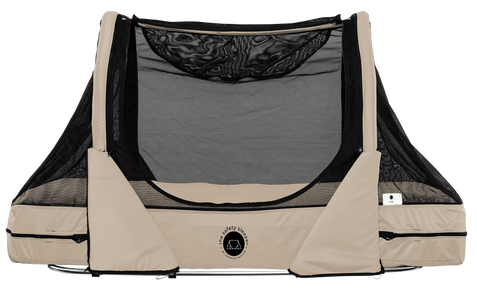
To manage these challenges, medical professionals recommend enclosed, sensory-friendly environments. A medical-grade safety bed is engineered to protect individuals with AS and support better sleep hygiene.
- Secure Boundaries: A fully enclosed safety bed prevents nighttime elopement, keeping the child securely in their room.
- Padded Frames: Soft-sided padding absorbs the impact of nocturnal movements, head-banging, and seizures.
- Gap-Free Design: Zipping the mattress directly to the enclosure eliminates dangerous entrapment zones.
- Sensory Calming: The enclosed canopy acts as a predictable sanctuary that encourages the nervous system to relax.
For families navigating AS, a high-quality enclosed bed is a vital medical tool that provides a secure haven.
Do you have specific insurance or Medicaid waiver questions about securing a safety bed for a child with Angelman syndrome?