What is an Enclosed Bed? Benefits for Safety and Sleep
For families and caregivers of individuals with special needs, bedtime can often bring anxiety rather than rest. Nighttime wandering, accidental falls, self-injury, and sensory overload during the night create constant safety concerns. When standard beds and cribs no longer provide adequate protection, traditional sleep environments are no longer sufficient.
An enclosed bed offers a medical-grade, secure, and comfortable sleep solution designed specifically to address these challenges.
This comprehensive guide breaks down what an enclosed bed is, how it works, who can benefit from one, and why it is essential for improving sleep quality and physical safety for the entire household.
What is an Enclosed Bed?
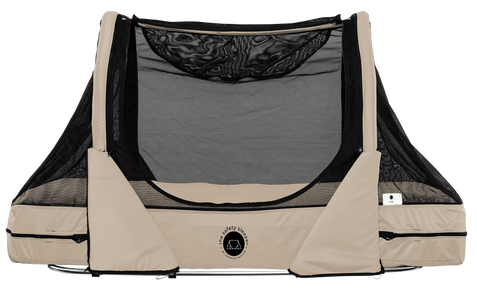
An enclosed bed, often called a safety bed or bed enclosure, is a specialized medical bed with fully enclosed sides, typically made from heavy-duty mesh, padded walls, or solid safety paneling.
Unlike a standard bed or traditional hospital bed, an enclosed bed creates a secure sleeping environment that prevents the occupant from exiting unassisted, falling out, or becoming trapped in gaps.
While early medical designs felt institutional, modern solutions like The Safety Sleeper prioritize comfort, dignity, and portability alongside medical-grade security.
Key Components of a Modern Enclosed Bed
- Fully Enclosed Structure: Breathable, high-strength mesh or padded walls that extend around all four sides and top.
- Secure Zipper Systems: Medical-grade, locking zipper mechanisms positioned on the outside so occupants cannot unzip the bed from the inside.
- Gap-Free Interior: Specialty fitted sheets and mattress enclosures that zip directly to the frame, eliminating entrapment zones.
- Padded Frame Elements: Internal padding to absorb impact during involuntary movements or thrashing.
- Access Ports: Built-in entry points for medical tubing, feeding tubes, or monitoring equipment.
5 Major Benefits of Enclosed Beds for Safety and Sleep
Enclosed safety beds serve a dual purpose: providing physical security for the occupant and promoting deeper, uninterrupted sleep.
1. Prevention of Night Wandering and Elopement
Nighttime elopement is one of the most significant concerns for parents of children with autism spectrum disorder (ASD) or cognitive impairments. Unsupervised wandering can lead to household accidents, access to dangerous areas like kitchens or stairwells, or leaving the house entirely. An enclosed bed provides a safe sanctuary that keeps your loved one securely in bed throughout the night.
2. Elimination of Fall and Impact Risks
For individuals with seizure disorders (epilepsy), cerebral palsy, or severe involuntary movements, falling out of bed poses a constant threat of serious injury. The soft, padded, and flexible walls of an enclosed bed act as a protective barrier, absorbing movement and preventing falls onto hard floors.
3. Sensory Regulation and Calming Environment
Children and adults with sensory processing sensitivity often struggle to wind down in open rooms. The cocoon-like structure of a sensory bed enclosure helps filter out environmental stimuli, such as visual distractions, room shadows, and drafty air movements. This enclosed feeling creates a predictable, cozy environment that signals to the nervous system that it is time to sleep.
4. Entrapment Zone Elimination
Standard beds and modified cribs frequently feature gaps between the mattress, side rails, and headboard. These gaps present severe entrapment risks for individuals with limited mobility or low muscle tone. High-quality enclosed beds feature integrated zipper systems that join the mattress and walls into a single continuous unit, ensuring no dangerous gaps exist.
5. Rest and Peace of Mind for Caregivers
Caregiver fatigue is a critical issue when managing special needs care. When parents are constantly listening for sounds of wandering or falls, chronic sleep deprivation follows. Knowing a loved one is safely enclosed allows caregivers to get the restful sleep they need to provide quality care during the day.
Caregiver Tip: An enclosed bed is not a restriction; it is a safe space that grants independence within a secure boundary, allowing individuals to move freely without risk of injury.
Who Can Benefit from an Enclosed Safety Bed?
Enclosed beds are designed for children, teens, and adults who require enhanced nighttime safety due to physical, cognitive, or behavioral needs.
- Autism Spectrum Disorder (ASD): Helps manage sensory overload, self-soothing struggles, and nighttime wandering.
- Epilepsy & Seizure Disorders: Minimizes injury during nocturnal seizures with padded, enclosed boundaries.
- Cerebral Palsy & Physical Disabilities: Prevents roll-offs and body entrapment while supporting positioning accessories.
- Genetic Disorders (e.g., Angelman Syndrome, Down Syndrome): Provides a secure sleep space for individuals with limited safety awareness.
- Traumatic Brain Injury (TBI) & Dementia: Protects adults experiencing disorientation, restlessness, or nocturnal wandering.
What to Look for When Selecting an Enclosed Bed
When evaluating safety bed options, consider these practical factors:
- Portability: Can the bed be easily packed for travel or stays away from home? Portable models ensure consistency in sleep routines anywhere.
- Washability & Hygiene: Look for medical-grade materials that are machine-washable and easy to wipe down in case of accidents.
- Breathability: Ensure the enclosure uses tested, flame-retardant, breathable mesh to maintain optimal airflow and temperature regulation.
- Insurance & Funding Compatibility: Quality safety beds often qualify as Durable Medical Equipment (DME). Check if the manufacturer provides guidance on navigating insurance, Medicaid waivers, or Letters of Medical Necessity (LMN).
Invest in Safe Sleep for Your Family
An enclosed bed is more than specialized furniture; it is a life-changing medical tool that restores safety, confidence, and restorative sleep to families facing complex sleep challenges.
If you are exploring adaptive bed options for a child or adult in your care, explore The Safety Sleeper to learn more about custom configurations, safety testing, and insurance coverage resources.