Sensory Rooms for Autism
For children on the autism spectrum, the world is often a relentless flood of sensory information. A passing siren, the hum of a refrigerator, or the flicker of overhead lights can easily overwhelm a child’s nervous system, leading to anxiety, meltdowns, or extreme withdrawal. When the outside world becomes too intense, having a dedicated safe haven is essential.
Sensory rooms for autism (sometimes called Snoezelen rooms) are specialized spaces designed to help individuals safely regulate their sensory input. Whether your child needs to calm down after overstimulation or safely seek sensory feedback to wake up their nervous system, a thoughtfully designed sensory room provides the environmental controls they need.
The Core Benefits of a Sensory Room
Sensory rooms are not just playrooms; they are therapeutic environments with profound daily benefits for neurodivergent children.
- Emotional Regulation: When a child feels a meltdown building, transitioning to a sensory room offers immediate environmental predictability. Controlling the lights, sounds, and textures empowers the child to self-soothe.
- Improved Focus and Engagement: For sensory-seeking children, a safe place to jump, crash, or spin helps satisfy their neurological cravings. Once those needs are met, they are much better equipped to focus on learning or family interactions.
- A Safe Space for Decompression: After a long day of navigating the sensory demands of school or therapy, a sensory room acts as a physical buffer where the child can decompress without expectations or demands.
Key Elements of an Autism Sensory Room
You do not need a clinical budget to create an effective sensory room at home. The most successful spaces focus on the child's specific sensory profile, using a few foundational elements.
1. Controlled Lighting
Harsh overhead lighting is a common trigger for children with autism. A sensory room should rely on adjustable, ambient lighting. Fiber optic light strands, bubble tubes, and star projectors provide mesmerizing, predictable visual input that is deeply calming. Blackout curtains are also essential for eliminating unpredictable sunlight.
2. Tactile and Deep Pressure Tools
Deep pressure therapy is highly effective for calming an overactive nervous system. Weighted blankets, compression swings, and large crash pads give children the proprioceptive input they need to feel grounded. For tactile exploration, consider incorporating textured wall panels, squishy floor tiles, or bins of kinetic sand.
3. Vestibular Input (Movement)
Many children with autism need to rock, spin, or bounce to figure out where their body is in space. Indoor sensory swings (like a cocoon swing), small therapy trampolines, or rocking chairs provide safe avenues for this necessary movement.
4. Enclosed Safe Spaces
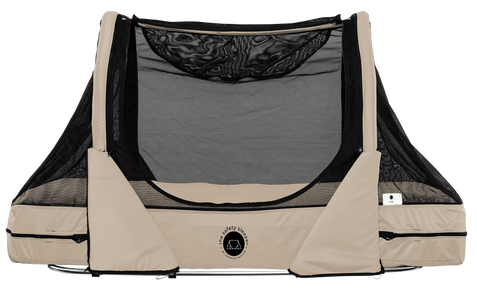
When a child is truly overwhelmed, a large room can still feel too exposed. Creating a "room within a room" is highly beneficial. The Safety Sleeper acts as a secure, low-distraction micro-environment. The enclosed fabric structure dampens outside noise and limits visual input, creating a profound sense of security when the child needs to completely shut out the world.
Customizing to Your Child's Needs
The golden rule of building a sensory space is that no two rooms should look exactly alike. An effective room must match your child’s specific sensory profile.
If your child is hypersensitive (easily overwhelmed, covers their ears, avoids bright lights), focus the room on calming elements: dim lighting, muted colors, noise-canceling headphones, and heavy, comforting blankets.
If your child is hyposensitive (sensory-seeking, constantly moving, crashing into furniture), the room needs to be highly interactive. Prioritize sturdy crash pads, indoor swings, brightly colored interactive lights, and textured surfaces they can safely explore.
Creating a sensory room is an ongoing process of observation and adjustment. By providing a dedicated space tailored to how your child processes the world, you give them a powerful tool for self-regulation, comfort, and peace at home.